I made an unconventional piece for a printing class, I couldn't help it, it just came out. It was one of those projects where you don't know where you're going but it finds you. In the end, I discovered a lot more than I was expecting. There is beauty and power in facing ones fears, it's a blessing really.
Monday, June 13, 2011


Friday, November 26, 2010
If
If you can keep your head when all about you
Are losing theirs and blaming it on you;
If you can trust yourself when all men doubt you,
But make allowance for their doubting too;
If you can wait and not be tired by waiting,
Or, being lied about, don't deal in lies,
Or, being hated, don't give way to hating,
And yet don't look too good, nor talk too wise;
If you can dream - and not make dreams your master;
If you can think - and not make thoughts your aim;
If you can meet with triumph and disaster
And treat those two imposters just the same;
If you can bear to hear the truth you've spoken
Twisted by knaves to make a trap for fools,
Or watch the things you gave your life to broken,
And stoop and build 'em up with wornout tools;
If you can make one heap of all your winnings
And risk it on one turn of pitch-and-toss,
And lose, and start again at your beginnings
And never breath a word about your loss;
If you can force your heart and nerve and sinew
To serve your turn long after they are gone,
And so hold on when there is nothing in you
Except the Will which says to them: "Hold on";
If you can talk with crowds and keep your virtue,
Or walk with kings - nor lose the common touch;
If neither foes nor loving friends can hurt you;
If all men count with you, but none too much;
If you can fill the unforgiving minute
With sixty seconds' worth of distance run -
Yours is the Earth and everything that's in it,
And - which is more - you'll be a Man my son!
- Rudyard Kipling
Are losing theirs and blaming it on you;
If you can trust yourself when all men doubt you,
But make allowance for their doubting too;
If you can wait and not be tired by waiting,
Or, being lied about, don't deal in lies,
Or, being hated, don't give way to hating,
And yet don't look too good, nor talk too wise;
If you can dream - and not make dreams your master;
If you can think - and not make thoughts your aim;
If you can meet with triumph and disaster
And treat those two imposters just the same;
If you can bear to hear the truth you've spoken
Twisted by knaves to make a trap for fools,
Or watch the things you gave your life to broken,
And stoop and build 'em up with wornout tools;
If you can make one heap of all your winnings
And risk it on one turn of pitch-and-toss,
And lose, and start again at your beginnings
And never breath a word about your loss;
If you can force your heart and nerve and sinew
To serve your turn long after they are gone,
And so hold on when there is nothing in you
Except the Will which says to them: "Hold on";
If you can talk with crowds and keep your virtue,
Or walk with kings - nor lose the common touch;
If neither foes nor loving friends can hurt you;
If all men count with you, but none too much;
If you can fill the unforgiving minute
With sixty seconds' worth of distance run -
Yours is the Earth and everything that's in it,
And - which is more - you'll be a Man my son!
- Rudyard Kipling
A Found Treasure
Last week a group of us from church went to an elderly woman’s home to help pack up her belongs to be sent off to Goodwill. This woman had lived in the same apartment for some 50 years and now she had to move into a small care facility because of health reasons.
Essentially, we were carrying all of the woman’s belongings to the curb for an early morning Goodwill pick-up. Her great-granddaughter made a point to let us know that if there was anything we wanted, to feel free to take it and so as we gathered things, I discovered a few treasures and kept them.
One of which was a beautiful delicate vintage lamp I pictured sitting on my desk, another an ornate tin can I planned on converting into a pinhole camera, a knitting book I thought a friend would appreciate and lastly, a book of inspirational verses.

As we were traveling up and down the elevator, transporting all of the woman’s belongings, of which I imagine she had gathered and accumulated over her lifetime of more than 90 years, I couldn’t help but be saddened at the thought of her life being placed on a street curb. It felt more natural that everything should have a home because these things she cared for, she was given them as gifts, she saw them in a boutique window and saved her money to buy, she used them to raise her family, they graced her home for many years and now they littered a dimly lit street curb on a quiet culdesac.
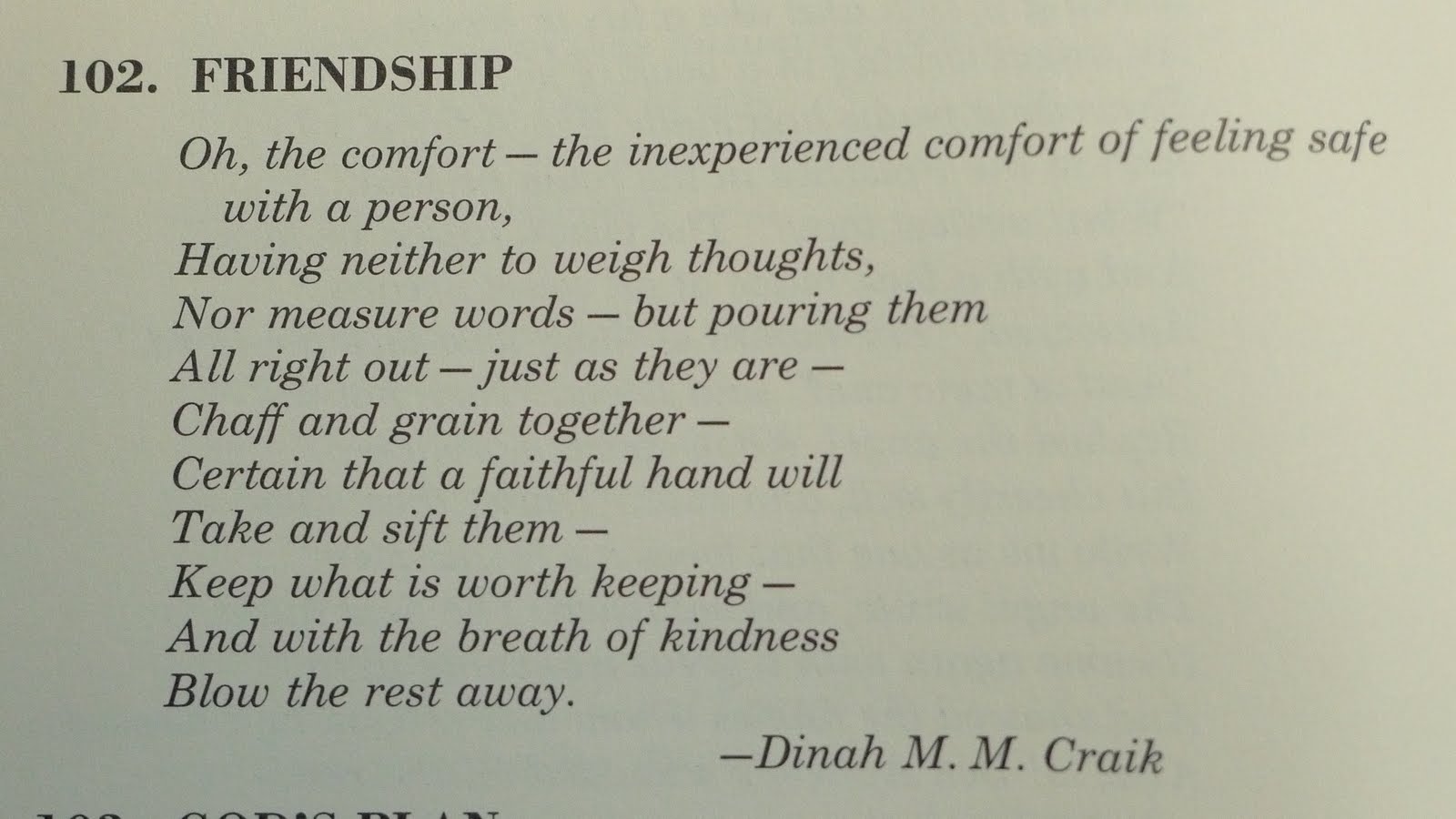
The following day, I was thumbing through the Inspirational Verse book and discovered in the front page a handwritten message. It reads:

In reading these words, I understood more about life than I had known the moment before. I’ve always been aware of the fact that we never take any of our belongings with us once we leave this earth but at that moment, I was reminded of all the things we do take.
The love and admiration between Jeda and Elick is a tender one and truly is everything one could want. I imagine when both Jeda and Elick come to the moment of departing from this life, all that matters to them will be safe in their hearts.
The love, the friendships, the kindness, the loving sacrifices, the faith and hopes in ones spirit, the bonds forged, the beautiful moments are forever intertwined within. And so maybe, when we do depart from this life, it's not that we take nothing with us but that we take everything with us.
A verse dedicated to Jeda from Elick:

Essentially, we were carrying all of the woman’s belongings to the curb for an early morning Goodwill pick-up. Her great-granddaughter made a point to let us know that if there was anything we wanted, to feel free to take it and so as we gathered things, I discovered a few treasures and kept them.
One of which was a beautiful delicate vintage lamp I pictured sitting on my desk, another an ornate tin can I planned on converting into a pinhole camera, a knitting book I thought a friend would appreciate and lastly, a book of inspirational verses.

As we were traveling up and down the elevator, transporting all of the woman’s belongings, of which I imagine she had gathered and accumulated over her lifetime of more than 90 years, I couldn’t help but be saddened at the thought of her life being placed on a street curb. It felt more natural that everything should have a home because these things she cared for, she was given them as gifts, she saw them in a boutique window and saved her money to buy, she used them to raise her family, they graced her home for many years and now they littered a dimly lit street curb on a quiet culdesac.
The following day, I was thumbing through the Inspirational Verse book and discovered in the front page a handwritten message. It reads:

In reading these words, I understood more about life than I had known the moment before. I’ve always been aware of the fact that we never take any of our belongings with us once we leave this earth but at that moment, I was reminded of all the things we do take.
The love and admiration between Jeda and Elick is a tender one and truly is everything one could want. I imagine when both Jeda and Elick come to the moment of departing from this life, all that matters to them will be safe in their hearts.
The love, the friendships, the kindness, the loving sacrifices, the faith and hopes in ones spirit, the bonds forged, the beautiful moments are forever intertwined within. And so maybe, when we do depart from this life, it's not that we take nothing with us but that we take everything with us.
A verse dedicated to Jeda from Elick:
Tuesday, October 12, 2010
Wednesday, August 25, 2010

Wednesday, June 16, 2010
Home Sweet Home
I'm visiting my family in Vegas this week. I always love coming home to my parents place... my mom is an impeccable housekeeper, she cooks amazing meals, breakfast to dinner and now days, we get along soooo much better then past years.
My father is always working on an exciting project, this time it happens to be his memoirs. He shared with me the first few chapters, it brought me to tears, happy ones, I can't wait to read it in its entirety. I'm spoiled and will gain 5 lbs while I'm here.
I sleep in my old room that is now under redesign, I don't recognize it as mine... I've been rummaging through my stuff packed away in the closest and drawers... the things one finds.

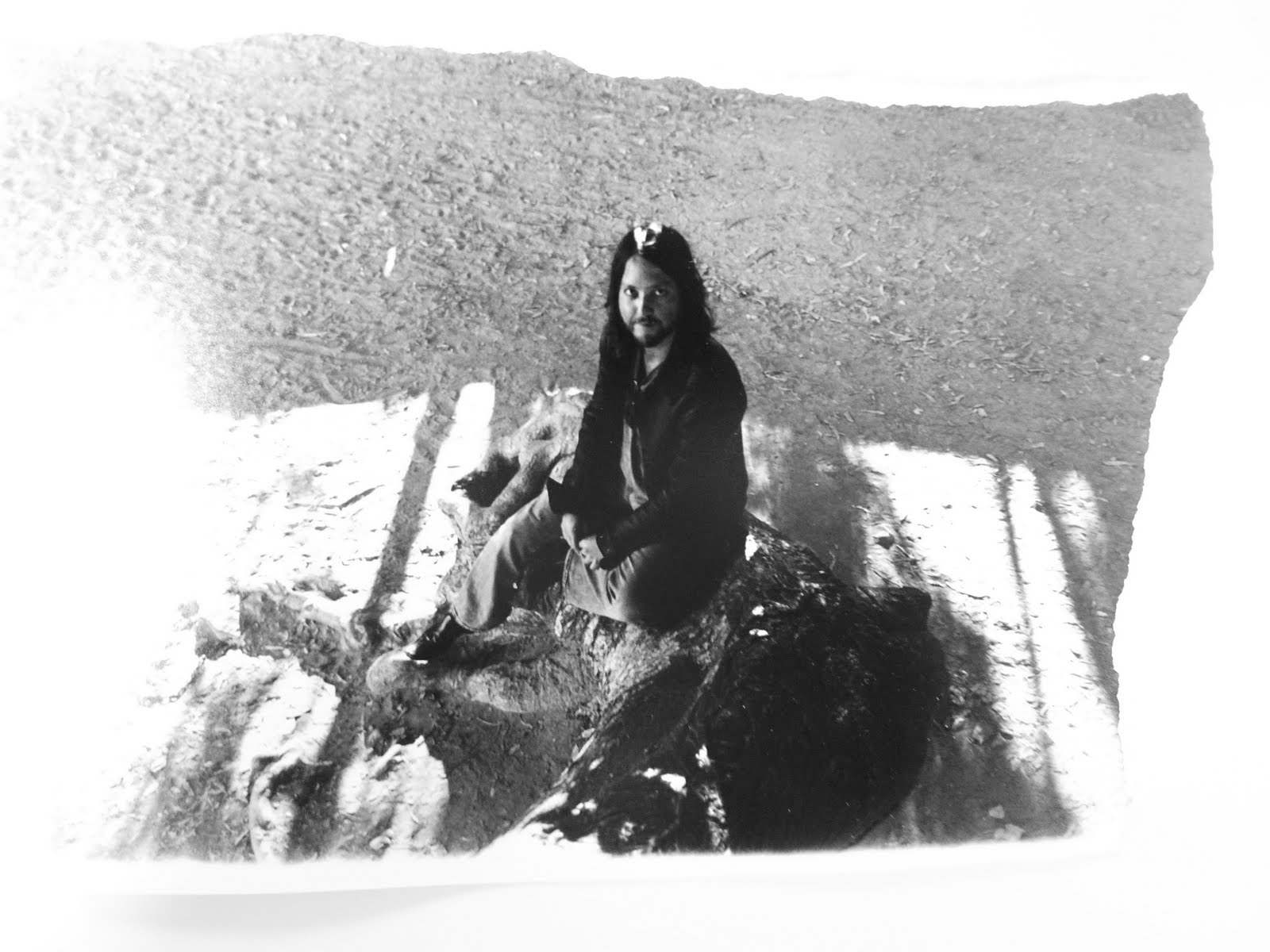
I went through my old photography stuff, images that I want so much to burn but am told, "don't you dare". Among my stuff, I found a picture my alternative photography teacher, Mr. Gomez, took of me a few years ago. I'd been hiding it away, tucked away with a number of other memories... I think I've been hiding away with them.
Recently, I've been finding myself wishing I had no possesions, wishing I had nothing holding me or reminding me of things long forgotten. I want to live off the things that stir within me now, the sounds around me, words spoken, a pretty color, music playing, limbs moving to the music, I want nothing and yet everything I suppose.

My father is always working on an exciting project, this time it happens to be his memoirs. He shared with me the first few chapters, it brought me to tears, happy ones, I can't wait to read it in its entirety. I'm spoiled and will gain 5 lbs while I'm here.
I sleep in my old room that is now under redesign, I don't recognize it as mine... I've been rummaging through my stuff packed away in the closest and drawers... the things one finds.

I went through my old photography stuff, images that I want so much to burn but am told, "don't you dare". Among my stuff, I found a picture my alternative photography teacher, Mr. Gomez, took of me a few years ago. I'd been hiding it away, tucked away with a number of other memories... I think I've been hiding away with them.
Recently, I've been finding myself wishing I had no possesions, wishing I had nothing holding me or reminding me of things long forgotten. I want to live off the things that stir within me now, the sounds around me, words spoken, a pretty color, music playing, limbs moving to the music, I want nothing and yet everything I suppose.

Subscribe to:
Posts (Atom)
